Longlok Self-Locking Fasteners Explained: Technology, Benefits, and Applications
Introduction to Longlok Self-Locking Fasteners
In countless industries, the integrity of joints and fixtures is paramount. Vibrations, temperature changes, and repeated use can cause standard fasteners to loosen over time, threatening the stability and safety of assemblies. This is where Longlok self-locking fasteners come into play. These innovative fasteners offer a reliable solution to one of the most persistent engineering challenges: maintaining joint security in dynamic environments.
What Are Longlok Self-Locking Fasteners?
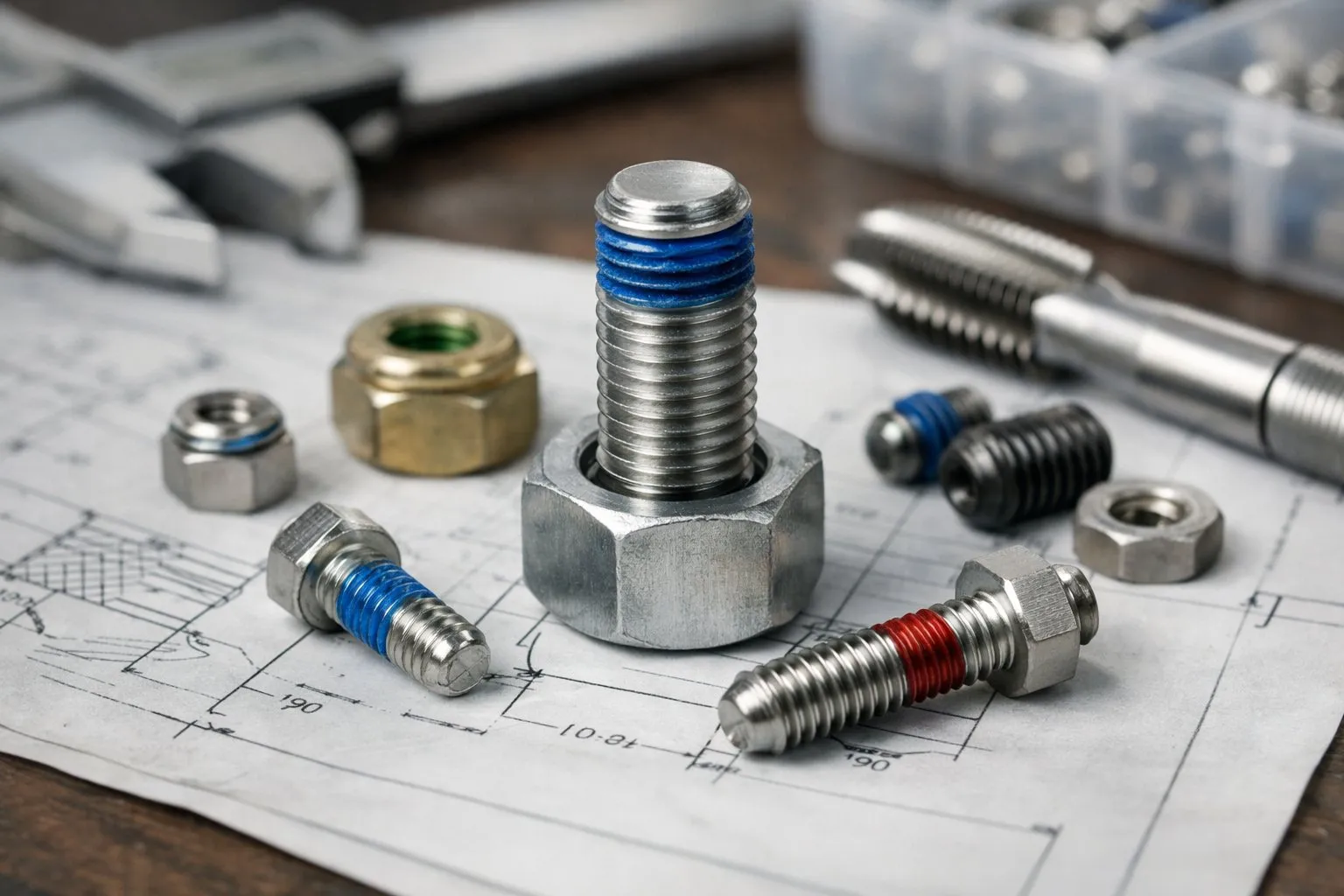
Longlok self-locking fasteners are specially designed screws, bolts, and other threaded components that feature a unique locking element. This element, typically made of a resilient nylon or similar polymer, is permanently bonded into the threads of the fastener. When the fastener is installed, the locking element creates friction against the mating threads, greatly resisting loosening caused by vibration or movement.
How Longlok Technology Works
The effectiveness of Longlok fasteners lies in their mechanical simplicity and robust performance. As the fastener engages with its mating part, the embedded locking element is compressed, generating a prevailing torque. This makes it significantly harder for the fastener to rotate out of place unintentionally. Unlike liquid threadlockers or external locking washers, the solution is integral to the fastener itself, offering ease of use and consistent performance.
Key Benefits of Longlok Fasteners
One of the standout advantages of Longlok self-locking fasteners is their reusability. Unlike chemical adhesives, the locking element can maintain its effectiveness through multiple installations and removals, making them ideal for applications where maintenance or adjustment is frequent. Additionally, they are resistant to a wide range of chemicals and environmental factors, ensuring reliability in harsh conditions. These fasteners are also pre-assembled, saving time on the production line and reducing the risk of assembly errors.
Where Are Longlok Self-Locking Fasteners Used?
Longlok technology finds widespread application in industries where reliability and safety are critical. Aerospace engineers, for example, rely on these fasteners to secure components in aircraft subject to intense vibration. The automotive industry uses them in both high-performance and everyday vehicles, ensuring that critical parts stay firmly in place. Even in electronics, where compact and reliable assemblies are essential, Longlok fasteners offer peace of mind. The versatility and dependability of these fasteners make them a preferred choice in many demanding sectors.
Choosing the Right Longlok Fastener
When selecting a self-locking fastener, it’s important to consider the specific requirements of your application. Factors such as temperature extremes, exposure to chemicals, thread size, and installation torque should all influence your decision. For expert advice and a wide selection of options, many professionals turn to longlok specialists who can guide them to the best solution for their needs. For example, longlok offers tailored recommendations for unique engineering challenges, ensuring each project achieves optimal security and durability.
Future Innovations in Self-Locking Fastener Technology
The demand for secure, reliable, and maintenance-friendly fastening solutions continues to grow. As industries advance and new materials are developed, the technology behind self-locking fasteners like Longlok is also evolving. Innovations focus on enhancing performance in extreme environments, minimizing installation time, and integrating smart features to monitor joint integrity. These advancements promise to make Longlok fasteners even more indispensable in the years to come.
Conclusion
Longlok self-locking fasteners represent a significant step forward in engineered joint security. With their built-in locking mechanism, reusability, and broad resistance to environmental factors, they offer reliable solutions for applications where failure is not an option. As technology progresses, these fasteners are set to play an even larger role across a wide range of industries, ensuring that critical assemblies remain safe and secure under any conditions.
News editor and RSS curation specialist, 11 years
Daniel spent six years as a digital desk editor at a regional newspaper in Manchester, where he built and maintained more than 400 RSS and API feeds for breaking news coverage. He later worked as a content curation lead for a media monitoring firm, training a team of 14 analysts to filter sources for accuracy and relevance. At LynxFeed he writes about feed readers, news aggregation and practical ways to follow reliable sources without wasting time.