Clinical Trials Explained: What You Need to Know Before Joining
A clinical trial is a carefully designed research study that tests new medical treatments, drugs, devices, or procedures in people. These studies are the gold standard for determining whether a new approach to medicine actually works and whether it is safe for widespread use. Without clinical trials, medicine would not advance. Every approved drug or treatment that exists today went through this process before it reached your doctor’s prescription pad.
Understanding clinical trials isn’t just for scientists or medical professionals. It matters for patients, caregivers, and anyone curious about accessing cutting-edge treatments before they become mainstream. Whether you or someone you love has a health condition with limited options, or you simply want to contribute to science, knowing how these studies work puts you in a position of power.
The Different Phases of a Clinical Trial
Clinical trials don’t happen overnight. They move through structured phases, each one designed to answer specific questions and build on the findings of the last.
Phase I trials are the first in humans. These are small studies, usually involving 20 to 80 people, and their primary goal is to evaluate safety. Researchers want to understand how a new treatment behaves in the body, what doses are tolerable, and what side effects occur at different levels.
Phase II trials expand the group to a few hundred participants and begin to examine whether the treatment actually works. Safety monitoring continues throughout, but efficacy becomes the main focus. Phase III is where things get serious. These large-scale trials involve thousands of participants and compare the new treatment against existing standards of care. This is the phase that determines whether a treatment earns regulatory approval. Finally, Phase IV trials occur after approval and track long-term effects in the real world.
Who Can Participate in a Clinical Trial
Every study has what are called eligibility criteria, a set of requirements that determine who can and cannot take part. These include factors like age, diagnosis, medical history, other medications, and overall health status. Some trials are looking for people with a specific disease. Others need healthy volunteers. Neither is more or less important than the other — both are necessary to produce reliable results.
Meeting the eligibility criteria doesn’t mean joining automatically. You will typically go through a screening process, which may include lab tests, medical exams, and a review of your history. The goal is to make sure participating is appropriate and safe for you as an individual.
What to Expect as a Participant
Once enrolled, your experience will vary depending on the trial. Some studies require frequent clinic visits, while others involve home-based monitoring or telemedicine check-ins. You may receive the experimental treatment, a placebo, or the current standard of care, and in many cases, you won’t know which one until the study ends. This blinding process is essential to producing unbiased results.
You’ll be monitored closely throughout. Medical teams track your health at regular intervals, report side effects, and adjust your participation if any safety concern arises. Your well-being always comes first. Participation is always voluntary, and you can withdraw at any time without penalty or loss of care.
How to Find the Right Trial for You
One of the biggest barriers people face isn’t eligibility or willingness. It’s simply not knowing where to look. Thousands of clinical trials are running at any given time across hospitals, universities, and research centers worldwide. Finding the right one for your specific situation can feel overwhelming without the right tools.
This is where platforms built for trial matching become genuinely useful. Rather than sorting through hundreds of dense listings, a matching service lets you input your profile and surfaces the trials most relevant to you. Tools designed for clinical trial matching do the heavy lifting so you can focus on making an informed decision, not on becoming a research expert overnight.
The Ethical Foundation of Clinical Research
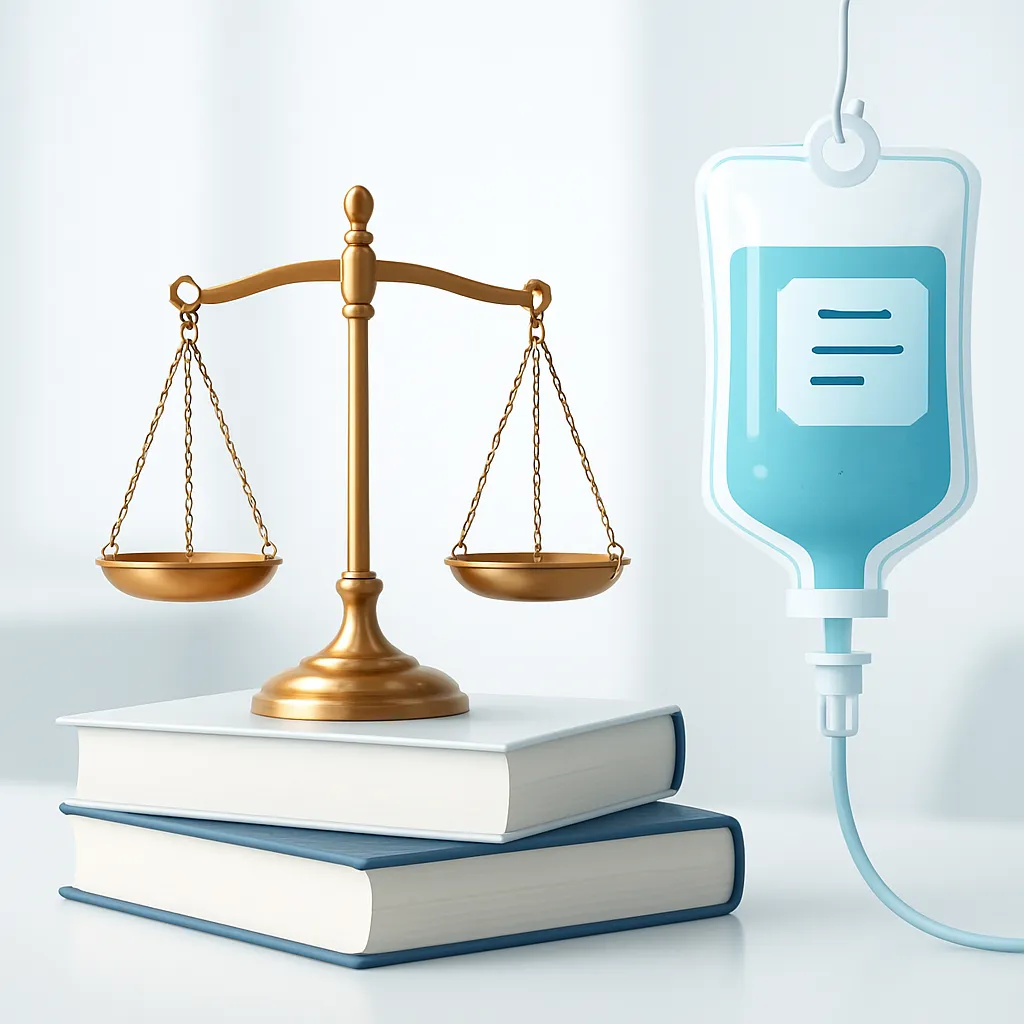
Clinical trials operate under strict ethical guidelines designed to protect participants. Before any study begins, it must be reviewed and approved by an Institutional Review Board (IRB) or Ethics Committee. These independent bodies evaluate whether the study design is sound, whether the risks are justified by potential benefits, and whether participants’ rights are protected.
Informed consent is at the heart of ethical trial participation. Before you agree to join any study, researchers are required to explain the purpose of the trial, what participation involves, the known risks and benefits, and your rights as a participant. You receive all of this in writing and have time to review it, ask questions, and consult with others before signing anything.
The Broader Impact of Clinical Trial Participation
Every person who participates in a clinical trial contributes to something larger than themselves. The data gathered from your experience goes into a growing body of evidence that shapes medical practice for years to come. Treatments for cancer, autoimmune diseases, rare genetic conditions, and countless other health challenges exist today because people made the choice to participate.
Beyond the collective benefit, many participants find personal value in access to innovative therapies, close medical supervision, and a sense of agency over their own health journey. Participating is not a selfless act at the expense of personal gain. For many, it is a meaningful and practical choice that opens doors that would otherwise remain closed.
META TITLE: Clinical Trials: What You Need to Know
META DESCRIPTION: Understand how clinical trials work, who can join, and how to find the right study for your health needs with trusted matching tools.
News editor and RSS curation specialist, 11 years
Daniel spent six years as a digital desk editor at a regional newspaper in Manchester, where he built and maintained more than 400 RSS and API feeds for breaking news coverage. He later worked as a content curation lead for a media monitoring firm, training a team of 14 analysts to filter sources for accuracy and relevance. At LynxFeed he writes about feed readers, news aggregation and practical ways to follow reliable sources without wasting time.