
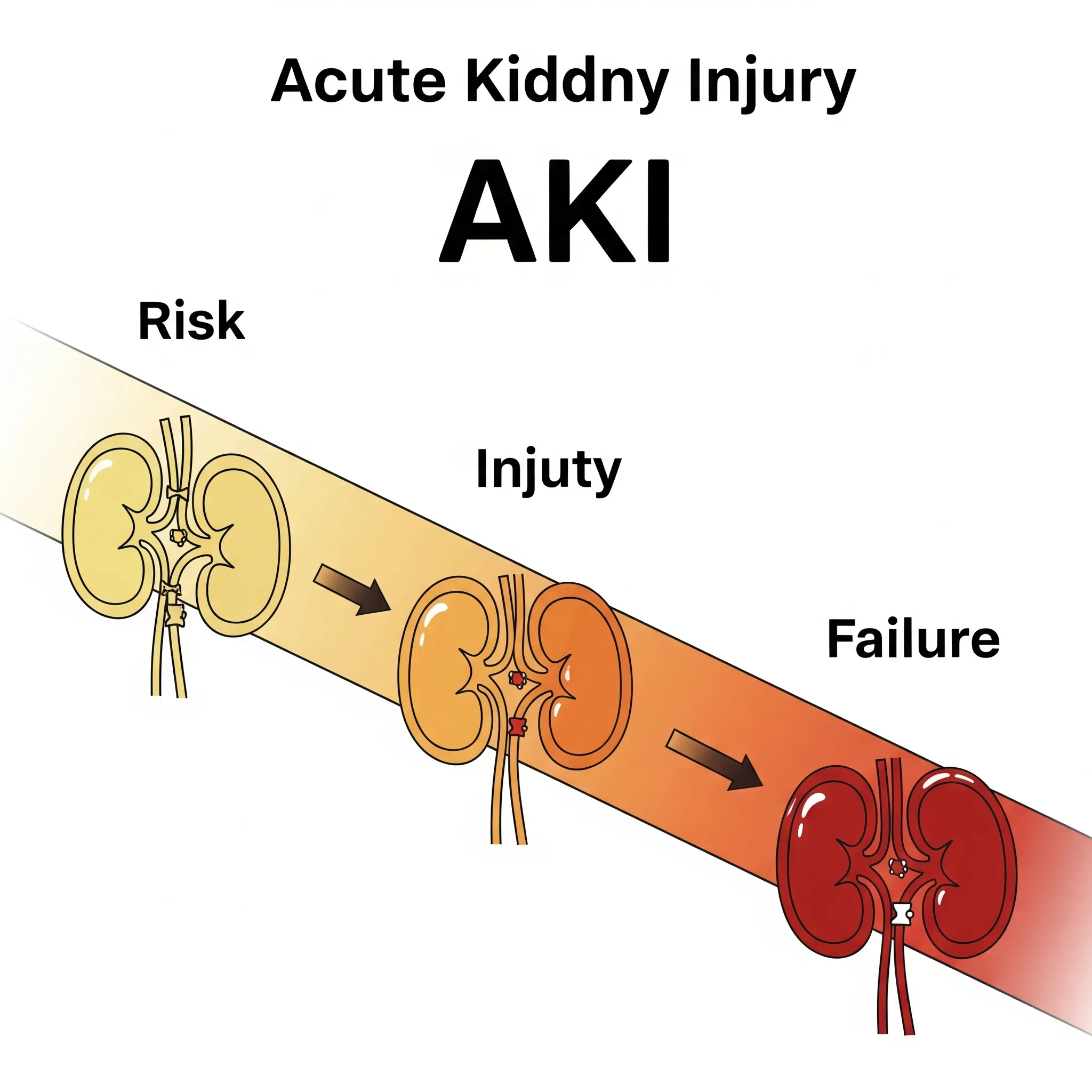
Progression Through AKI Stages: From Risk to Injury to Failure – Clinical Implications and Outcomes
Understanding the Continuum of Acute Kidney Injury Development
The progression of acute kidney injury represents a dynamic process where kidney function deteriorates through distinct phases, each carrying unique clinical implications and therapeutic opportunities. Medical professionals witness this evolution daily in hospital settings, where patients transition from initial risk factors to overt kidney damage and potentially complete renal failure. This continuum challenges healthcare teams to recognize early warning signs and implement timely interventions that can alter the disease trajectory.
The conceptual framework of AKI progression emerged from extensive epidemiological studies revealing that kidney injury rarely occurs as an isolated event. Instead, patients typically experience a cascade of physiological insults that compound over time, creating a perfect storm for renal dysfunction. Understanding this progression empowers clinicians to anticipate complications, stratify patient risk, and deploy preventive strategies before irreversible damage occurs.
Modern nephrology recognizes that the journey from normal kidney function to failure involves complex pathophysiological mechanisms including inflammation, oxidative stress, and cellular apoptosis. These processes interact in ways that amplify initial injuries, creating a self-perpetuating cycle of damage. The clinical manifestations evolve correspondingly, from subtle laboratory abnormalities to life-threatening metabolic derangements requiring urgent intervention.
The temporal aspect of AKI progression varies considerably among patients, influenced by factors such as underlying health status, the nature of the initial insult, and the adequacy of supportive care. Some individuals progress rapidly through stages within hours, while others experience a more gradual decline over days or weeks. This variability underscores the importance of continuous monitoring and individualized treatment approaches tailored to each patient’s unique circumstances.
The Risk Phase: Identifying Vulnerable Patients Before Injury Occurs
The risk phase represents the critical window where proactive measures can prevent acute kidney injury from developing. Patients entering this phase possess characteristics or experience exposures that significantly increase their likelihood of developing renal dysfunction. Advanced age, chronic kidney disease, diabetes mellitus, heart failure, and liver disease constitute major predisposing factors that compromise the kidneys’ ability to withstand additional stressors.
Clinical scenarios that precipitate the risk phase include major surgical procedures, particularly cardiac and vascular operations where hemodynamic instability and inflammatory responses threaten renal perfusion. The administration of nephrotoxic medications, including aminoglycosides, vancomycin, and nonsteroidal anti-inflammatory drugs, creates direct tubular injury risks. Contrast media exposure during diagnostic procedures adds another layer of vulnerability, especially in patients with pre-existing renal compromise.
Healthcare systems increasingly employ risk stratification tools to identify high-risk patients prospectively. These scoring systems integrate multiple clinical variables to generate probability estimates for AKI development. Armed with this information, medical teams can implement protective strategies such as optimizing volume status, minimizing nephrotoxic exposures, and ensuring adequate renal perfusion during vulnerable periods.
The recognition of patients in the risk phase has transformed from reactive to proactive kidney care. Nephrology consultations now occur preemptively rather than after injury develops, allowing specialists to guide preventive interventions. This paradigm shift reflects growing appreciation that preventing AKI proves far more effective than treating established injury, both in terms of patient outcomes and healthcare resource utilization.
The Injury Phase: Early Detection and Rapid Response Strategies
The transition from risk to injury marks a crucial inflection point where subclinical damage becomes measurable through laboratory parameters and clinical observations. During this phase, the 3 stages of acute kidney injury begin manifesting through rising serum creatinine levels and declining urine output. The injury phase encompasses both Stage 1 and early Stage 2 AKI, representing a window where aggressive intervention can still prevent progression to failure.
Pathophysiologically, the injury phase involves acute tubular necrosis, where renal tubular epithelial cells suffer damage from ischemic or toxic insults. The kidneys attempt to maintain function through compensatory mechanisms, including hyperfiltration in remaining healthy nephrons and activation of the renin-angiotensin-aldosterone system. However, these adaptations prove insufficient as the injury burden overwhelms the organs’ reserve capacity.
Clinical recognition during the injury phase requires vigilant monitoring of both traditional markers and emerging biomarkers. While serum creatinine remains the standard diagnostic tool, its delayed rise following injury has prompted investigation of earlier indicators. Novel biomarkers such as NGAL, KIM-1, and cystatin C detect tubular injury hours to days before creatinine elevation, potentially enabling earlier intervention.
Management during the injury phase focuses on halting progression through elimination of ongoing insults and optimization of renal perfusion. Fluid management becomes particularly challenging, requiring careful balance between maintaining adequate intravascular volume and avoiding fluid overload. Medication dosing adjustments, nephrotoxin avoidance, and treatment of underlying conditions form the cornerstone of therapy during this critical period.
The duration and severity of the injury phase strongly predict long-term outcomes. Patients who recover quickly from Stage 1 AKI often experience complete renal recovery, while those progressing to Stage 2 face increased risks of chronic kidney disease development. This observation emphasizes the importance of aggressive early management and close monitoring during the injury phase.
The Failure Phase: Managing Complete Loss of Kidney Function
The failure phase represents the most severe manifestation of acute kidney injury, corresponding to Stage 3 AKI where the kidneys can no longer maintain homeostasis. Patients in this phase experience profound uremia, fluid overload, electrolyte disturbances, and acid-base imbalances that threaten multiple organ systems. The clinical picture often includes oliguria or anuria, marked azotemia with creatinine levels exceeding 4 mg/dL, and symptoms ranging from confusion to coma.
During the failure phase, the kidneys’ inability to excrete metabolic waste products leads to uremic syndrome characterized by nausea, vomiting, pruritus, and bleeding diathesis. Fluid accumulation causes pulmonary edema, pleural effusions, and peripheral edema that compromise respiratory function and mobility. Hyperkalemia poses immediate cardiac risks, while metabolic acidosis exacerbates cardiovascular instability and alters drug metabolism.
Renal replacement therapy becomes essential during the failure phase to perform the kidneys’ excretory and regulatory functions artificially. The decision between continuous renal replacement therapy and intermittent hemodialysis depends on hemodynamic stability, with unstable patients benefiting from gentler continuous modalities. Initiation timing remains controversial, though evidence increasingly supports early intervention before life-threatening complications develop.
The complexity of managing failure phase AKI demands multidisciplinary expertise encompassing nephrology, critical care, pharmacy, and nutrition services. Each discipline contributes essential elements to comprehensive care, from optimizing dialysis prescriptions to adjusting medication regimens and ensuring adequate nutritional support. This collaborative approach maximizes recovery potential while minimizing complications associated with prolonged renal failure.
Recovery from the failure phase varies widely, with outcomes ranging from complete renal recovery to permanent dialysis dependence. Factors influencing recovery include the underlying cause, duration of failure, presence of comorbidities, and adequacy of supportive care. Survivors often require extended rehabilitation and face increased risks of cardiovascular events and premature mortality even after apparent renal recovery.
Clinical Outcomes and Long-term Implications Across AKI Stages
The progression through acute kidney injury stages carries profound implications for both immediate survival and long-term health outcomes. Mortality rates increase exponentially with advancing stages, from approximately 10% in Stage 1 to over 50% in Stage 3 AKI requiring dialysis. These sobering statistics reflect not only direct renal failure consequences but also the systemic impact of kidney dysfunction on other vital organs.
Survivors of acute kidney injury face elevated risks of chronic kidney disease development, with incidence directly correlating with AKI severity and duration. Even patients experiencing apparent complete recovery demonstrate subclinical nephron loss and increased susceptibility to future kidney injuries. This phenomenon, termed “acute kidney disease,” represents an intermediate state between acute injury and chronic disease requiring ongoing monitoring and preventive care.
The cardiovascular system bears particular vulnerability following AKI episodes, with survivors experiencing increased rates of myocardial infarction, heart failure, and stroke. These associations reflect shared pathophysiological mechanisms including endothelial dysfunction, inflammation, and accelerated atherosclerosis triggered by kidney injury. The bidirectional relationship between cardiac and renal dysfunction creates a vicious cycle perpetuating organ damage.
Economic implications of AKI progression extend beyond immediate hospitalization costs to encompass long-term healthcare utilization. Patients progressing through multiple AKI stages require prolonged intensive care, expensive dialysis treatments, and extensive rehabilitation services. The development of chronic kidney disease following AKI adds lifelong medical expenses including medications, regular monitoring, and potential transplantation.
Quality of life deteriorates significantly with advancing AKI stages, affecting physical function, cognitive performance, and psychological wellbeing. Survivors report persistent fatigue, reduced exercise capacity, and difficulty returning to previous employment. The psychological burden includes anxiety about future kidney problems, depression related to functional limitations, and post-traumatic stress from intensive care experiences.
Prevention Strategies and Future Directions in AKI Management
Contemporary approaches to preventing AKI progression emphasize early identification of at-risk patients and implementation of bundled interventions targeting modifiable risk factors. Electronic health records increasingly incorporate predictive algorithms that analyze patient data to forecast AKI development probability, enabling preemptive protective measures. These systems integrate laboratory trends, medication exposures, and hemodynamic parameters to generate real-time risk assessments guiding clinical decision-making.
Pharmacological interventions aimed at preventing progression remain limited, though several promising agents undergo investigation. Remote ischemic preconditioning, where brief limb ischemia protects distant organs, shows potential for reducing AKI in cardiac surgery patients. Novel therapeutics targeting inflammation, oxidative stress, and cellular energy metabolism offer hope for interrupting progression pathways, though translation from preclinical success to clinical efficacy proves challenging.
Healthcare systems increasingly recognize AKI as a quality indicator requiring systematic approaches to prevention and management. Institutional protocols standardizing risk assessment, monitoring frequency, and treatment algorithms reduce practice variability and improve outcomes. Dedicated AKI response teams, similar to stroke or sepsis teams, provide specialized expertise for managing complex cases and preventing progression through stages.
Research priorities focus on developing more sensitive and specific biomarkers enabling earlier detection and more accurate prognostication. Understanding genetic and molecular factors determining individual susceptibility and recovery capacity could enable personalized prevention strategies. Advanced imaging techniques visualizing kidney perfusion and cellular viability may guide targeted interventions preserving nephron mass during acute injuries.
The future of AKI management envisions precision medicine approaches tailoring interventions to individual patient characteristics and injury mechanisms. Machine learning algorithms analyzing vast clinical datasets identify previously unrecognized risk factors and optimal treatment combinations. Regenerative medicine strategies including stem cell therapy and bioengineered kidney tissue offer potential for restoring function in severely damaged organs, transforming outcomes for patients progressing to failure.
News editor and RSS curation specialist, 11 years
Daniel spent six years as a digital desk editor at a regional newspaper in Manchester, where he built and maintained more than 400 RSS and API feeds for breaking news coverage. He later worked as a content curation lead for a media monitoring firm, training a team of 14 analysts to filter sources for accuracy and relevance. At LynxFeed he writes about feed readers, news aggregation and practical ways to follow reliable sources without wasting time.