
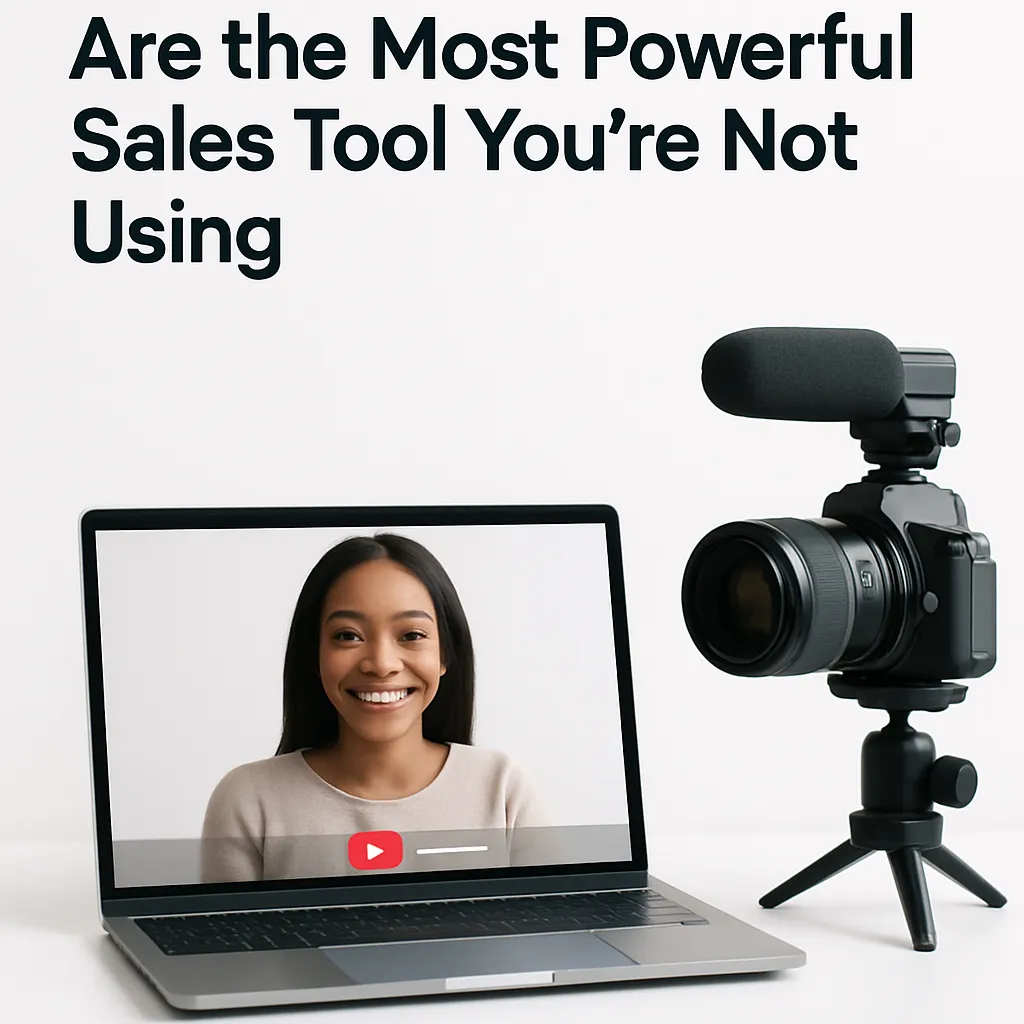
Why Video Testimonials Are the Most Powerful Sales Tool You’re Not Using
Trust is the currency of modern commerce, and nothing builds it faster than hearing from someone who has already been where your prospect is standing right now. Written reviews have their place, but they carry an inherent limitation: anyone can write them, and everyone knows it. A face on a screen, a real voice explaining a real experience, is a different proposition entirely. That’s the core reason why video testimonials have moved from a nice-to-have marketing asset to one of the most effective conversion tools available to businesses today.
The shift is not just anecdotal. Buyer behavior has changed significantly, and the research on how people make purchasing decisions consistently points toward social proof as a decisive factor. When that social proof comes in the form of a person telling their own story on video, the psychological impact is measurably stronger than text alternatives. The question for most businesses is no longer whether to use video testimonials, but how to collect and deploy them effectively.
What Makes Video Testimonials Work
The effectiveness of video testimonials comes down to authenticity and specificity. A written blurb that says “great product, highly recommend” does almost nothing for a prospective buyer. A two-minute video in which a customer explains the specific problem they had, why they chose your solution, and what changed after they started using it does something completely different. It gives the viewer a mirror. They see themselves in the story being told, and that identification is what moves them toward a decision.
Body language, tone of voice, and facial expressions communicate in ways that text simply cannot replicate. When someone is genuinely enthusiastic about a product or service, it shows in ways that no amount of careful copywriting can manufacture. Conversely, a stilted or coached testimonial reads as inauthentic almost immediately. The best video testimonials are the ones where the customer is clearly speaking from their own experience in their own words.
Common Objections and Why They Don’t Hold Up
The most common reason businesses don’t collect video testimonials is that they assume customers won’t participate, or that the production logistics are too complicated. Both objections are weaker than they appear. Satisfied customers, when asked at the right moment in the right way, are often genuinely willing to share their experience on camera. The ask itself, framed as an opportunity to help others make a good decision, lands very differently from how most businesses imagine it will.
On the production side, professional-quality video no longer requires a film crew or a studio. Modern smartphones capture footage that is more than adequate for testimonial content, and platforms designed specifically for remote video collection have eliminated most of the logistical friction. The bar to entry has dropped considerably, and the businesses that haven’t adjusted their thinking to reflect that reality are leaving a significant asset uncollected.
Where Video Testimonials Perform Best
The versatility of video testimonials is part of what makes them so valuable. On a product or service landing page, a testimonial placed near the call to action addresses objections at exactly the moment when a visitor is deciding whether to proceed. On a homepage, a testimonial from a recognizable type of customer signals immediately that this business understands and serves people like the visitor.
In email sequences, especially nurture campaigns for longer sales cycles, a video testimonial embedded at a key decision point can reignite interest that has gone cold. In paid advertising, short testimonial clips outperform polished brand creative in many categories because they carry the credibility of a third-party voice rather than the seller’s own. Social media, sales presentations, and proposal follow-ups are all contexts where well-chosen testimonial content consistently improves outcomes.
The Strategy Behind Effective Testimonial Collection
Collecting testimonials reactively, waiting for customers to offer them spontaneously, produces a small and unrepresentative sample. The businesses that build strong testimonial libraries do so proactively, with a systematic approach to identifying satisfied customers, timing the request strategically, and making the recording process as simple as possible for the customer.
Timing matters enormously. A customer who has just experienced a positive outcome from your product or service is at peak motivation to share. Asking three months later, when the experience has faded and competing priorities have taken over, produces far lower response rates and less enthusiastic content. Building a collection trigger into the customer journey, tied to a specific outcome or milestone, consistently outperforms ad hoc approaches.
Turning Testimonials Into a Compounding Asset
Each video testimonial you collect is an asset that continues to work for you indefinitely. Unlike an ad campaign that stops performing when the budget runs out, or a blog post that requires ongoing promotion, a compelling testimonial embedded in your sales funnel works every time someone passes through. Over time, as your library grows, you have the ability to match specific testimonials to specific audience segments, objections, or stages of the funnel, which makes the whole system progressively more effective.
The businesses that recognize this compounding value and invest in systematic collection early are the ones that look, a year or two later, like they have an unfair advantage in credibility. The advantage is real, but it was earned by treating customer voices as a strategic asset rather than an afterthought.
META TITLE: Why Video Testimonials Drive More Sales
META DESCRIPTION: Discover why video testimonials outperform written reviews, where they perform best, and how to build a systematic collection strategy that compounds over time.
News editor and RSS curation specialist, 11 years
Daniel spent six years as a digital desk editor at a regional newspaper in Manchester, where he built and maintained more than 400 RSS and API feeds for breaking news coverage. He later worked as a content curation lead for a media monitoring firm, training a team of 14 analysts to filter sources for accuracy and relevance. At LynxFeed he writes about feed readers, news aggregation and practical ways to follow reliable sources without wasting time.
Related posts